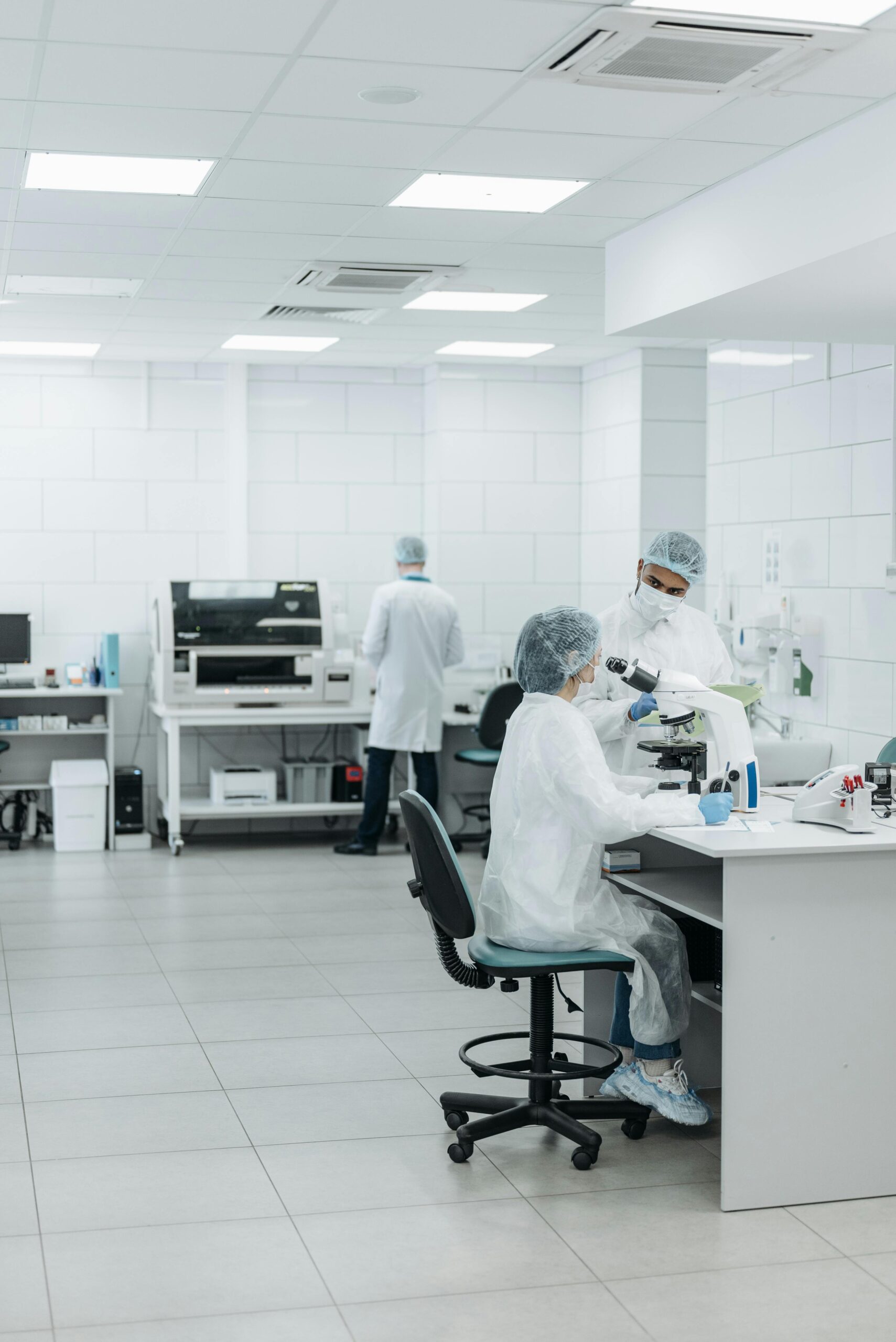
Choosing where to study medicine is one of the most important decisions for any aspiring doctor. While theory builds knowledge, it is practical lab work that transforms a student into a confident medical professional. This is where MBBS in China truly stands out. Chinese medical universities place strong emphasis on hands-on laboratory training, ensuring students graduate with the skills required for real clinical environments.
This blog explains how lab work in China prepares MBBS students for successful medical careers, making them confident, competent, and globally competitive.
The Role of Lab Work in Medical Education
Medicine is not just about memorizing textbooks. Doctors must diagnose, analyze, and treat patients accurately. Laboratory training plays a critical role in developing these abilities.
In Chinese medical universities, lab work helps students:
- Apply classroom theory to real medical situations
- Develop technical and clinical skills early
- Build confidence before entering hospitals
- Understand diseases at a deeper, practical level
Early Practical Exposure Builds Strong Medical Skills
One major advantage of studying MBBS in China is early exposure to laboratory practice. From the initial years of the program, students actively participate in lab sessions alongside theoretical classes.
How this helps students:
- Reduces fear of medical equipment and procedures
- Improves hand-eye coordination and precision
- Encourages active learning instead of passive memorization
Anatomy Labs: Building the Foundation of Medical Practice
Anatomy is the backbone of medical education. In China, anatomy labs are well-equipped with cadavers, 3D models, and digital dissection systems.
Through anatomy lab work, students learn:
- Real human structure instead of just diagrams
- Spatial understanding of organs and systems
- Surgical orientation and accuracy
Physiology Labs: Understanding How the Body Works
Physiology labs help students understand how the human body functions in real time. Instead of memorizing processes, students observe and measure body responses through experiments.
Students practice:
- Measuring heart rate, blood pressure, and respiration
- Studying nerve reflexes and muscle activity
- Analyzing organ system responses
Microbiology & Biochemistry Labs: Real Disease Understanding
Understanding diseases is impossible without practical lab exposure. Microbiology and biochemistry labs in China train students to work with real samples and diagnostic tools.
Students gain experience in:
- Identifying bacteria, viruses, and pathogens
- Learning laboratory diagnostic methods
- Understanding infection control and sterilization
Pathology Labs: Developing Diagnostic Accuracy
Pathology labs are where students learn how diseases affect the human body at a cellular level. Chinese universities emphasize hands-on pathology training using slides, specimens, and digital microscopy.
Benefits include:
- Identifying abnormal tissues accurately
- Correlating symptoms with lab findings
- Strengthening diagnostic confidence
Simulation Labs: Safe Practice Before Real Patients
One of the strongest reasons why MBBS lab work in China makes students career-ready is the use of simulation laboratories.
These labs include:
- Advanced medical mannequins
- Emergency response simulators
- Clinical skills practice rooms
Students can safely practice:
- CPR and emergency care
- Injections, suturing, and catheterization
- Patient examination techniques
Research-Based Lab Training Enhances Career Growth
Chinese medical universities encourage students to participate in research-oriented lab work, even at undergraduate level.
Research lab exposure helps students:
- Develop problem-solving and critical thinking
- Understand evidence-based medicine
- Strengthen CVs for postgraduate studies
Pakistani Standards Prepare Students for Global Careers
Lab work in China follows Pakistani medical education standards. Equipment, protocols, and training methods are aligned with global healthcare systems.
This benefits students by:
- Making them adaptable to different healthcare environments
- Preparing them for licensing exams in various countries
- Improving chances of working abroad
Safety, Discipline, and Professional Ethics in Labs
Career-ready doctors must follow strict safety and ethical standards. Chinese universities emphasize discipline, hygiene, and professional behavior in lab environments.
Students learn:
- Proper use of protective equipment
- Safe handling of biological materials
- Ethical responsibility in medical practice
Confidence Building Through Continuous Practice
Confidence is one of the most important qualities of a doctor. Regular lab sessions in China ensure that students are comfortable with procedures and tools long before they face real patients.
This results in:
- Reduced anxiety during clinical rotations
- Better communication with seniors and patients
- Faster skill development in hospitals
Why Employers Prefer Graduates with Strong Lab Experience
Hospitals and healthcare institutions value doctors who can perform, not just explain. Graduates of MBBS in China often stand out because of their strong lab background.
Career advantages include:
- Better internship performance
- Faster adaptation in hospital environments
- Higher chances of selection for residency programs
Affordable Access to High-Quality Lab Training
Compared to many Western countries, China offers world-class lab facilities at affordable tuition fees. This makes high-quality practical training accessible to Pakistani students.
Conclusion
Lab work is the bridge between medical theory and real-world practice. In China, MBBS students benefit from early exposure, advanced laboratories, simulation training, and research opportunities that collectively prepare them for successful medical careers.
From anatomy and pathology to simulation and diagnostics, every lab session builds confidence, competence, and professionalism. This is why graduates of MBBS in China are widely regarded as career-ready doctors, capable of performing in hospitals, clinics, and healthcare systems worldwide.