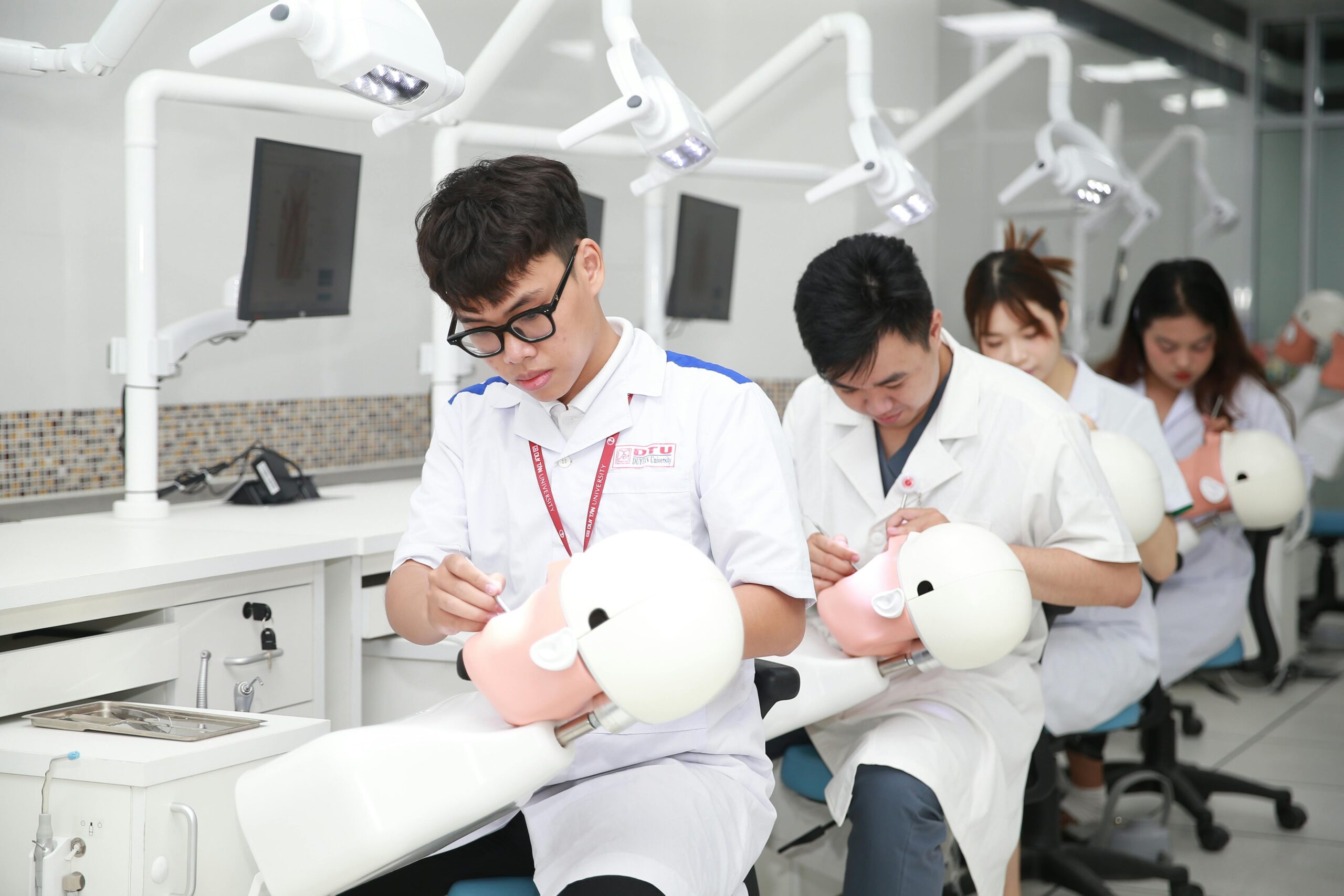
Clinical training is one of the most beneficial components of the MBBS course in China. As theoretical classes in medical institutions help improve their medical knowledge, clinical classes help them apply that knowledge on patients. Chinese medical institutions have also attained popularity world over for their up-to-date teaching hospitals, advanced medical equipment, as well as medical training. Such factors make them more attractive for thousands of international MBBS students every year.
The blog discusses the whole process of medical training for MBBS students in China and how the medical training process helps in the future. The blog also classifies MBBS medical training for clarity.
Importance of Clinical Training during the MBBS Session
Clinical training is a bridge between theory and practice:
- Observe real patient cases
- Develop diagnostic skills
- Learn patient communication
- Understand hospital systems
- Get ready for licensing exams and internships.
In China, there is structured, supervised clinical training that is gradually introduced to allow students confidence in steps.
Overview of MBBS Clinical Training in China
MBBS course in China takes 6 years, which includes the following:
- Pre-clinical years: 1st–2nd year
- Para-clinical years: 3rd year
- Clinical years: 4th–5th year
- Internship: 6th year
Clinical exposure begins early and increases in intensity in the later years of study.
Teaching Hospitals in China
Most Chinese medical universities have affiliated teaching hospitals, which are:
- Public hospitals
- Equipped with modern diagnostic tools
- Handling a high number of patients daily
- Recognized for medical training
Key Features of Teaching Hospitals
- Large patient flow
- Specialized departments
- Experienced doctors and professors
- Advanced labs and operation theaters
High patient volume gives students exposure to diverse medical cases.
Clinical Training Structure
1.Early Clinical Exposure (Years 2–3)
During the initial stage of the process, the students
- Attend hospital visits
- Observe patient examinations
- Learn basic clinical procedures
- Understand hospital ethics and safety rules
This stage focuses on observation and understanding, not direct patient handling.
2.Clinical Core Rotations Years 4 and 5
This is the main clinical training period.
Major Departments Covered
- Internal Medicine
- General Surgery
- Pediatrics
- Obstetrics & G
- Orthopedics
- Neurology
- Psychiatry
- ENT and Ophthalmology
The students then rotate through each department for a predetermined period.
3.Final-Year Internship
The internship is a full-time hospitalized training year.
During internship, students:
- Work in hospital wards
- Assist doctors during procedures
- Take patient histories
- Observe surgeries
- Participate in emergency duties
The internship enables the gaining of confidence and experience by the students.
Clinical Hands-on Experience
Chinese universities emphasize progressive learning.
What Students Learn Practically
- Patient history taking
- Physical examination techniques
- Basic medical procedures
- Case discussions
- ER Workup (X-rays, CT scans, MRI, Labs)
Although direct procedures are supervised, students actively participate in learning.
Patient Exposure in China
One of the biggest advantages of studying MBBS in China is high patient exposure.
Why Patient Exposure Is High
- Large population
- Government hospitals treat thousands daily
- Wide range of diseases
Students observe:
- Common illnesses
- Chronic diseases
- Emergency cases
- Rare medical conditions
This exposure improves clinical judgment and diagnostic skills.
Language of Clinical Training
English-Medium Instruction
- Lectures are taught in English
- Medical textbooks are in English
- Exams are conducted in English
Chinese Language in Hospitals
- Patients mostly speak Chinese
- Doctors communicate in Chinese
- To overcome this:
- Most universities begin Mandarin language training in the first year to help international students communicate effectively
- Medical Chinese is taught for hospital communication
- Teachers assist during patient interactions
Basic Chinese language knowledge is helpful in communicating effectively during internship sessions.
Clinical training plays an important role by professors and clinical supervisors
Clinical training is supervised by:
- Senior doctors
- Professors
- Clinical tutors
Supervision Includes
- Daily ward rounds
- Case discussions
- Feedback sessions
- Skill assessment
This ensures safe and guided learning.
Assessment During Clinical Training
Students are evaluated through:
- Clinical exams
- Case presentations
- OSCE-Objective Structured Clinical Examination
- Attendance and participation
Assessment focuses on:
- Knowledge application
- Communicational skills
- Professional conduct
Clinical Training and Licensing Exams
Clinical experience in China helps students prepare for:
- PMC Pakistan Medical Commission Exam
- NMC (India) FMGE
- USMLE (with additional preparation)
- Other international licensing exams
Strong clinical exposure improves:
- Clinical reasoning
- Case-based questions performance
Safety and ethics in Clinical Practice
Chinese medical universities focus on the following:
- Patient confidentiality
- Medical ethics
- Infection control
- Professional conduct
The students strictly follow the rules of the hospital as well as wear medical uniforms.
Problems Faced by International Students
While clinical training in China is valuable, students may face:
Common Challenges
- Language barriers with patients
- Cultural differences
- Limited hands-on procedures initially
How Universities Address These Challenges
- Medical Chinese classes
- English-speaking mentors
- Gradual responsibility increase
With time, students adapt comfortably.
Clinical Training Quality: Public vs Private Universities
Public Universities
- Large gov’t hospitals
- High patient volume
- Strong clinical exposure
Private Universities
- Smaller hospitals
- Fewer patients
- Controlled learning environment
Public universities usually offer richer clinical exposure.
Advantages of Clinical Training in China
- Exposure to a wide variety of cases
- Modern hospital facilities
- Structured internship programs
- Strong supervision
- Affordable medical education
These advantages make China a strong choice for MBBS.
Key Highlights
- Clinical training starts early and progresses gradually
- Teaching hospitals are well-equipped and busy
- High patient exposure enhances learning
- Chinese language support is provided
- Internship year offers real hospital experience
- Training supports international licensing exams
Closing Remarks:
MBBS students in China are exposed to a comprehensive and practical clinical training experience from the very outset, to the extent of doing internships, in order to help them develop the required competency to become effective doctors.
Though language difficulties exist, structured support and supervision ensure effective learning is taking place. For students needing quality experience at a competitive price, China is a trustworthy and rewarding choice.