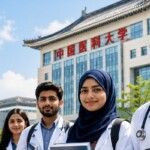

Studying MBBS in China has become increasingly popular among Pakistani students due to the combination of affordable tuition, global recognition, and high-quality practical training. One of the standout features of Chinese medical universities is the lab training program, which bridges the gap between theoretical knowledge and real-world medical practice. This blog explores how MBBS students in China transition from classroom theory to hands-on lab experience, preparing them to become skilled and confident doctors.
The Importance of Lab Training in MBBS Education
While textbooks and lectures are essential for understanding medical concepts, practical experience in labs is what truly prepares students for clinical practice. Lab training in MBBS programs ensures that students:
- Apply theoretical knowledge to practical scenarios.
- Develop essential clinical skills before working with patients.
- Gain confidence in using medical instruments and performing procedures.
- Understand disease mechanisms through experiments and research.
How Chinese Medical Universities Integrate Theory with Lab Training
Chinese medical universities follow a structured approach that allows students to apply classroom knowledge directly in labs. This ensures a smooth transition from theory to practice:
- Anatomy Labs: From Books to Cadavers
In anatomy courses, students first learn the structure of the human body through textbooks, 3D models, and digital resources. After grasping the theoretical concepts, they move to anatomy labs where they:
- Study human cadavers under supervision.
- Practice dissections to understand organ placement and structure.
- Use digital dissection tables to visualize body systems in 3D.
- Physiology Labs: Seeing the Body in Action
Physiology courses focus on the functions of organs and systems. Lab sessions allow students to:
- Conduct experiments demonstrating heart rate, blood pressure, and respiration.
- Observe reflexes and nervous system responses.
- Use modern equipment to record and analyze body functions.
- Biochemistry and Microbiology Labs: Understanding Disease Mechanisms
Biochemistry and microbiology labs enable students to explore cellular processes, microorganisms, and chemical reactions that cause diseases. Students learn to:
- Examine bacteria, viruses, and other pathogens under microscopes.
- Conduct chemical experiments to analyze body fluids.
- Understand laboratory diagnostic techniques used in hospitals.
- Pathology Labs: From Disease Theory to Diagnosis
Pathology labs provide students with an opportunity to study diseased tissues and organs. Lab sessions include:
- Observing tissue slides under microscopes.
- Identifying cellular abnormalities.
- Learning laboratory techniques used in clinical diagnostics.
Simulation Labs: Safe Practice Before Clinical Rotations
In addition to traditional labs, Chinese medical universities invest in simulation labs where students can practice medical procedures safely. Features include:
- High-fidelity mannequins: Allowing practice of CPR, intubation, and emergency procedures.
- Virtual reality simulations: Helping students perform surgeries and clinical procedures digitally before doing them on real patients.
- Clinical skill rooms: Equipped with instruments for blood sampling, injections, and suturing practice.
Research Integration: Learning Beyond the Classroom
Many Chinese medical universities encourage students to participate in research projects, which reinforces theory through lab work. Students can:
- Conduct experiments under the guidance of professors.
- Study emerging diseases and medical technologies.
- Present findings in conferences and journals.
Safety and Hygiene: Essential in All MBBS Labs
Chinese universities emphasize strict safety protocols in lab training. Students are trained to:
- Wear protective gear, such as gloves, lab coats, and masks.
- Follow sterilization procedures for instruments and equipment.
- Handle biological materials responsibly.
Benefits for Pakistani MBBS Students
Pakistani students studying MBBS in China experience unique advantages in lab training:
- Exposure to Modern Technology: Labs are equipped with digital tools, simulators, and advanced microscopes.
- Practical Skills Development: Students perform hands-on experiments, boosting confidence before entering hospitals.
- Global Standards: Lab protocols align with international medical practices, preparing students for careers worldwide.
- Research Opportunities: Students can engage in projects that enhance their resumes and open doors for postgraduate studies.
How Lab Training Prepares Students for Clinical Rotations
Lab training in Chinese medical universities is designed to prepare students for real hospital experience. Before entering clinics:
- Students learn proper handling of medical instruments.
- They develop diagnostic skills through lab experiments.
- They gain confidence in patient interactions by practicing techniques on simulators first.
Career Advantages of Practical Lab Training
Lab experience in China provides students with long-term career benefits:
- Enhanced Employability: Graduates are equipped with practical skills, making them attractive to hospitals globally.
- Postgraduate Opportunities: Students with research and lab experience have an edge for postgraduate studies or medical specialization.
- Clinical Confidence: Hands-on practice reduces anxiety and errors during real patient treatment.
Conclusion
The journey of an MBBS student in China goes far beyond classroom learning. Through structured lab training, students transition from understanding medical theory to applying it practically. From anatomy dissections to microbiology experiments and simulation-based clinical practice, every step reinforces knowledge, develops critical skills, and prepares students for real-world medical challenges.
With world-class facilities, safety protocols, and research opportunities, Chinese medical universities ensure that students are not just learning medicine, they are living it in labs, preparing for a future in healthcare anywhere in the world.