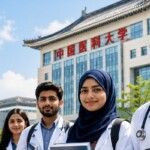

In the past decade, study in China has become a preferred choice for Pakistani students seeking quality education, affordable tuition, and global career opportunities. Among the most popular programs is MBBS in China, which attracts thousands of students from countries like Pakistan, India, Bangladesh, Nigeria, and more.
For students who want more than just theoretical knowledge, China’s medical universities provide practical exposure, modern facilities, and English-medium medical programs. But beyond academics, the real charm lies in living in China, experiencing a new culture, and making lifelong connections.
In this blog, we share real stories of Pakistani students who chose to study MBBS in China, highlighting their experiences, challenges, and successes.
Why Students Choose to Study MBBS in China
Many students wonder why MBBS in China has gained so much popularity. Here’s why:
- Affordable tuition fees compared to Western countries
- English-medium medical programs for easier learning
- Globally recognized degrees approved by WHO and PMC/NMC
- Modern infrastructure and well-equipped hospitals
- Opportunities for clinical exposure and internships
Ali, a Pakistani student at Zhengzhou University, says, “I chose MBBS in China because the fees were reasonable, and the university offered hands-on clinical training from the first year. It felt like the perfect combination of quality education and career preparation.”
Adapting to a New Culture
For Pakistani students, moving to China comes with cultural challenges. Language, food, lifestyle, and traditions are different from their home countries.
Sana, a student from Bangladesh studying MBBS in China, shares:
“Initially, the language barrier was tough, but learning basic Mandarin and interacting with local students helped me adapt quickly. Participating in cultural exchange programs made me feel at home and gave me a chance to learn Chinese traditions.”
Chinese universities encourage students to join clubs, sports, and cultural activities, helping them integrate into campus life while learning about Chinese culture and values.
Academic Life for Pakistani Students
One of the biggest advantages of studying MBBS in China is the structured academic system that combines theory and practical application.
Modern Teaching Methods
- Interactive lectures
- English-medium instruction
- Laboratory work and practical simulations
- Clinical rotations in hospitals
Students like Ravi from India say, “The clinical exposure at teaching hospitals gave me real confidence in dealing with patients. Studying in China isn’t just about books; it’s about preparing for a global medical career.”
Global Recognition
Degrees from top Chinese medical universities are recognized by WHO, PMC, and other Pakistani medical councils. This allows graduates to pursue licensing exams like USMLE, PLAB, or NEET, making MBBS in China a gateway to global opportunities.
Real-Life Stories: Overcoming Challenges
Studying abroad is never easy. Students face challenges like homesickness, language barriers, and adapting to new teaching styles.
Ahmed, a Nigerian student in Nanjing Medical University, recalls:
“During the initial semester, I faced difficulties learning Mandarin and adapting to cultural norms.But the university provided language classes, mentorship, and a supportive Pakistani student office, which made all the difference.”
Many students also face initial academic pressure, but by creating study groups, attending extra tutorials, and managing their time effectively, most adapt within a few months.
Campus Life and Community
One of the most memorable parts of studying MBBS in China is the campus life. Pakistani students describe it as friendly, multicultural, and supportive.
- Student clubs: Sports, music, and cultural clubs for relaxation and networking
- Cultural festivals: Celebrations like Chinese New Year and Mid-Autumn Festival
- Student mentorship: Senior students guide juniors through academic and social adjustments
Leila, a student from Nepal, says, “I met friends from 20+ countries on campus. We celebrated festivals together, studied together, and shared experiences. Studying in China isn’t just about education; it’s about building a global family.”
Career Opportunities After MBBS in China
One of the main goals of studying MBBS in China is career advancement. Chinese universities prepare students for global careers in medicine.
Graduates can:
- Return to their home country to practice medicine
- Take licensing exams like NEET, USMLE, PLAB
- Apply for postgraduate studies worldwide
- Work in iPakistani hospitals and research institutions
For students like Hassan from Pakistan, China’s medical education opened doors to internships abroad and research projects, which strengthened his resume for future opportunities.
Scholarships and Financial Support
Many Pakistani students are drawn to China because of its affordable education and scholarship opportunities.
- Chinese Government Scholarships for high-performing students
- University-based scholarships based on merit
- Performance-based tuition fee reductions
Sara, a student from Sri Lanka, says, “I received a partial scholarship for my MBBS program, which reduced my financial burden and allowed me to focus fully on studying in China.”
Tips from Students Who Successfully Adapted
Based on real experiences, here are some tips for students planning to study MBBS in China:
- Choose recognized universities with global accreditation
- Learn basic Mandarin to ease daily life and communication
- Participate in cultural activities to understand local customs
- Form study groups to improve academic performance
- Use university support services for visa, accommodation, and counseling
Following these tips helps students balance academics, culture, and career growth effectively.
Life Lessons from Studying in China
Beyond academics, students report gaining personal growth, independence, and a global perspective.
- Time management: Adapting to a new academic system
- Cross-cultural skills: Interacting with students from 20+ countries
- Professional mindset: Learning modern medical practices
- Networking opportunities: Making connections with professors and peers
These skills are valuable for Pakistani careers and make MBBS in China a life-changing experience.
Conclusion
The experiences of real students show that studying MBBS in China is more than just an education; it’s a journey of growth, culture, and global opportunity. With affordable tuition, English-medium programs, modern clinical training, and supportive campuses, China provides a holistic environment for Pakistani students.
Whether you are from Pakistan, India, Bangladesh, or Africa, Study in China equips you with the academic knowledge, cultural understanding, and career readiness needed to succeed in a global medical career.
By listening to the stories of those who have walked this path, aspiring students can prepare effectively, overcome challenges, and fully embrace the opportunity to study MBBS in China.